A Designer's Take: The "Human Back Pain Zones" Embroidery File
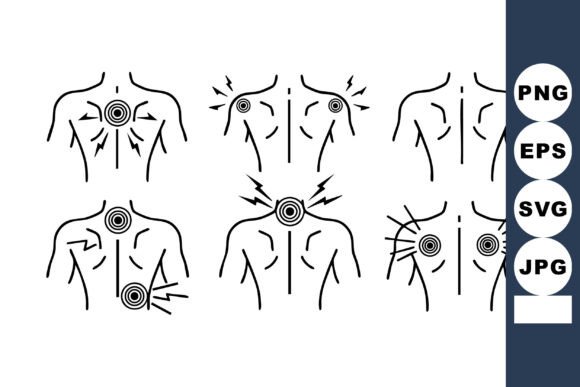
When I first opened the "Human Back Pain Zones Illustration," my immediate thought wasn't about medical accuracy. It was about its graphic personality. This isn't a clinical diagram; it's a stylized, almost vintage-looking illustration with a clear, communicative purpose. The central figure is simplified, the target circles and radiating lines create a visual rhythm, and the overall layout feels balanced and intentional. It has a certain quirky, informative charm that lands somewhere between a scientific poster and a clever graphic tee. This tells me it’s not meant for a sterile medical setting, but for a project with a story—something for the empathetic caregiver, the humorously self-aware office worker, or the wellness-focused community.
The Kind of Project This Design Calls For
This design has a strong narrative, so it naturally gravitates toward products where that story can be told. Imagine it stitched onto a sturdy canvas tote bag for a physiotherapist or massage therapist—a unique, professional-looking accessory for their tools. I can see it as a central motif on a cozy sweatshirt, a tongue-in-cheek gift for someone who's always complaining about their desk job. For a more subtle application, a small version stitched onto a linen tea towel in a kitchen, a gentle reminder to stand up straight while cooking. Its informative style lends itself to items meant for learning or support, like a thoughtfully embroidered pillow cover for a chiropractic office’s waiting room, or even a detailed patch sewn onto a backpack.
It feels less suited to purely decorative contexts like nursery decor or traditional wedding gifts, unless the narrative is very specifically tailored. Its value comes from its communicative power. For craft businesses and Etsy sellers, this makes it a great candidate for niche products targeting specific communities—wellness enthusiasts, medical professionals, or anyone in a physically demanding trade.
Stitching It Into Reality: Practical Considerations
In a real embroidery project, the success of this design hinges on clarity. Those radiating lines and target circles need to be distinct. On a dark fabric like a black sweatshirt, you’d need to carefully select thread colors with high contrast—perhaps a bright white or a light grey for the main figure, with the "pain zones" in a contrasting color like red or orange to pop. The level of detail suggests it would work best at a medium to larger hoop size. Trying to cram this onto a small baby item or the curved surface of a cap might cause the finer radiating lines to blur or lose definition.
Stitch density is a key consideration here. The illustration has areas of open space (the body) and potentially denser areas (the circles and lines). Using a fill stitch for the main body shape could create a solid, graphic base, while the circles and lines might be best rendered with a clean satin stitch or a precise running stitch to keep them sharp. On textured fabrics like a woven blanket or a thick towel, you’ll need a good stabilizer to prevent the design from puckering and losing its clean, informative look.
Where to Approach with Care
This design demands a thoughtful approach on certain substrates. Stretchy fabrics like t-shirts require excellent stabilization to keep the illustration from distorting. The small details mean it might not survive frequent, harsh washing on something like an everyday apron without some fraying over time. If you're considering it for layered garments with pockets or seams underneath, placement is crucial to avoid stitching over difficult areas. And while it’s not overly intricate, the clean lines are its hallmark, so very thin fabrics might not provide a stable enough canvas for them to look their best.
How This Embroidery File Elevates a Finished Product
From a product perspective, this embroidery design adds value through its specificity and intelligence. It transforms a simple tote bag or pillow from a generic handmade product into a conversation piece or a tool for identification. For a small shop owner, offering this on your merchandise signals a certain brand personality—observant, witty, or professionally supportive. It enhances customer trust because it feels purposefully chosen, not random. As a personalized gift, say for a nurse or a friend recovering from an injury, it carries a layer of thoughtfulness that a generic floral motif wouldn’t.
The "medical style" graphic approach, when executed well in thread, conveys a sense of professionalism. It reads as a design asset, not just a decoration. This can increase buyer engagement in online listings like Etsy because it answers a niche need. A crisp, well-embroidered version of this on a product mockup immediately suggests quality and a clear use case.
My Designer Notes Before You Hoop the Fabric
Before committing this to a client project or your next craft fair batch, here’s my practical checklist. Always test the embroidery file on a scrap of your intended fabric first. This is crucial to see how those radiating lines translate into stitches. Check your thread color contrast against both light and dark fabric backgrounds—create simple black and white digital mockups to visualize it. Inspect the small details in your test; are the circles closing cleanly? Confirm your hoop size can accommodate the design without forcing excessive scaling.
Remember, this is a graphic illustration. Its appeal relies on visual clarity, so the choice of stabilizer and stitch type is paramount. Finally, and this is vital for commercial embroidery and digital product sellers: verify the licensing terms of this file. Understand clearly whether it’s intended for personal use, commercial use in finished products, or as part of your own digital embroidery file offerings. That clarity protects your craft business and ensures you’re using this valuable design asset appropriately.
The "Human Back Pain Zones Illustration" is a fascinating graphic. It’s more than a pattern; it’s a statement waiting to be stitched. With careful planning on fabric choice, thread, and technique, it can become a standout element on custom apparel, boutique products, and meaningful gifts, offering a blend of visual interest and smart communication that many embroidery designs simply don’t possess.