A Heartfelt Design for Nurses & Healthcare Gifts
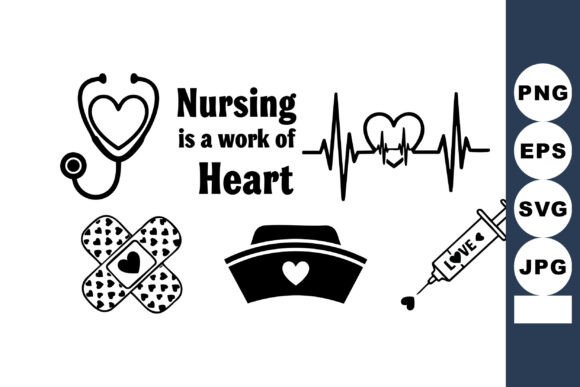
When I first opened the Nursing Heart Stethoscope Vector Art, my immediate thought wasn't about its technical specs—it was about the mood. This design has a warm, caring personality. It’s more than a collection of nursing symbols; it’s a visual hug. The clever integration of a heart into a stethoscope, the heartbeat line dotted with tiny hearts, and the “love” text on the syringe speak directly to the compassionate side of healthcare. This isn't a cold, clinical graphic. It’s personal. For an embroidery designer, that emotional resonance is the gold we’re looking for when creating products that feel meaningful.
Where This Design Finds Its Perfect Stitched Home
I picture this design coming to life on a custom embroidered tote bag for a nursing student graduating, or on the corner of a cozy blanket for a newborn’s nursery, gifted by a nurse aunt. The layout, with its central heart-stethoscope and surrounding accents, has a balanced weight that lends itself beautifully to a focal point on apparel like sweatshirts or t-shirts. The black vector art provides excellent clarity, meaning it will translate well into various stitch types. I would likely use a satin stitch for the main outlines to give it a polished, professional look on items like aprons or pillow covers for a healthcare-themed boutique. For a more textured, handmade feel on a tea towel or baby item, a fill stitch for the solid areas could work wonderfully.
The beauty of this embroidery file is its versatility across product types. For Etsy sellers and small shop owners, it’s a ready-made asset for creating a line of personalized gifts for nurses, medical students, or caregivers. Think beyond apparel: consider it as a delicate accent on a embroidered patch for a backpack, or stitched onto a chef’s apron for a nurse who loves to cook. The “caring mood” it carries makes it ideal for holiday embroidery projects—a heartfelt Christmas gift for a healthcare worker, for instance.
Practical Considerations for Stitching Success
While the design is charming, its successful translation into thread depends on mindful execution. The level of detail, particularly in the smaller hearts along the heartbeat line and the text on the syringe, requires attention. On textured fabrics like some blanket materials, or on stretchy fabric like t-shirts, those tiny elements could lose clarity if the stitch density isn’t adjusted appropriately. Always, always test the design on scrap fabric first, especially if you plan to stitch it on a dark fabric background. You’ll want to check your thread color contrast—the black design suggests using black thread, but on dark navy or grey, a contrasting thread color might bring out the shapes better.
For projects on curved surfaces like caps, the design’s wider layout might need to be scaled down to fit a smaller hoop size. Inspect the small details at that reduced scale to ensure they remain clean. Using a proper stabilizer is non-negotiable here to prevent puckering, especially on lighter or thin fabric. The design’s density in areas like the bandage or nurse cap could be substantial, so good stabilizer choice will maintain that handmade presentation without distortion.
How This Design Elevates Your Finished Product
From a commercial perspective, the Nursing Heart Stethoscope Vector Art does more than decorate a product. It adds a layer of product value through its specific thematic appeal. For a craft business focusing on healthcare appreciation gifts, this design ensures brand consistency. A customer receiving an item with this embroidery recognizes the thoughtfulness immediately—it’s not generic. That recognition builds customer trust and engagement. It tells the buyer you understand their niche.
In terms of visual appeal after stitching, the clean lines of the vector art should result in excellent stitching clarity. This professionalism in the finished look elevates items from simple crafts to desirable small shop merchandise. Its giftability is high, making it a strong candidate for digital product previews and printable mockups in your online listings. When I think of using it for a client project, like a batch of custom apparel for a nurse’s retirement party, I know it would convey the intended sentiment perfectly, enhancing the perceived quality of the work.
Essential Designer Notes Before You Hoop the Fabric
My final advice, as if we’re chatting over a project table, is to approach this lovely design with a prepared plan. First, confirm the licensing terms for this digital embroidery file before selling any finished items or using it in commercial embroidery projects. Does it allow for personal and commercial projects? That’s your first step.
- Run tests in both black and white thread on light and dark fabric backgrounds to see which offers the best readability and aesthetic for your specific product.
- Pay close attention to the small “love” text on the syringe. In embroidery, tiny lettering can sometimes fill in or become blurry. A test stitch will tell you if it needs slight simplification for your chosen hoop size and application.
- Consider the product’s end use. For items like kitchen towels or baby clothes that need frequent washing, a robust stitch construction with secure trims will ensure the design lasts.
- Finally, look at the design as a whole in your software. Does the stitch density look balanced? Areas with multiple adjacent elements, like the bandages near the heartbeat line, might require tweaking to prevent an overly thick, stiff feel on the final fabric.
The Nursing Heart Stethoscope Vector Art is a beautiful, purpose-driven graphic. It holds the potential to create truly special embroidered projects. By treating it with the practical respect any good machine embroidery design deserves—testing, adapting, and stabilizing—you’ll unlock that potential and stitch something that not only looks professional but genuinely touches the heart. That’s the real project win.